
The Cross-Border Trade Engagement between stakeholders from Nigeria and the Republic of Benin was held to promote trade facilitation, strengthen cooperation, and address challenges affecting cross-border traders and the movement of goods between both countries. The event also brought together the cross-border agencies responsible for the border movement of goods and people between both countries.
The Benin Chamber of Commerce and Industry (BCCI) in partnership with Badagry Chamber of Commerce (BACCIMA) was held on Tuesday 22nd and Wednesday 23rd September 2026 in Badagry, Lagos and Seme Krake border, Benin respectively, with Badagry Chamber of Commerce, Industry, Mines and Agriculture (BACCIMA) playing host to the first phase of the engagement at the Star Rise Golden Hotel, Ajara Agelaso, Badagry – Lagos.
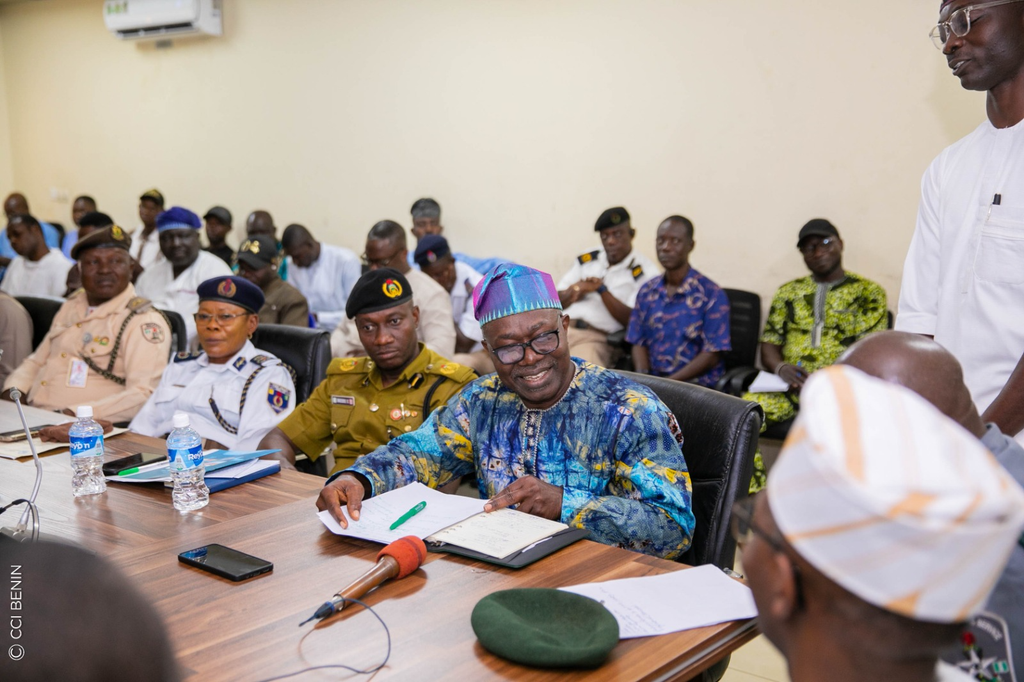
LAGOS STAKE-HOLDERS’ MEETING – 22nd September 2026
The Lagos stake holders’ meeting brought together traders from Benin and Nigeria in an interactive session for identifying, discussing and finding solutions to issues affecting smooth trade between both countries. The event was led by the Director of Trade Facilitation of BCCI Alhaji Abdourazzak YESSOUFOU while the conversation was moderated by the Director of Programmes for BACCIMA, Mr. Abiola Hamid. Key outcomes of the Lagos engagement include:
Formal Contracts: Moving away from verbal deals. Traders are advised to formalise commercial contracts between buyers, sellers, and transporters under Chamber oversight.
Trader Verification: Verified lists of buyers and sellers will be maintained to prevent fraud and simplify dispute resolution.
Quality Assurance: Mandatory quality control checks from farm to border to avoid cargo spoilage and losses.
Border Regulatory
Compliance: Guidance was provided by food and Drug Administration agency and Quarantine agency from Benin Republic on quality control and inspections.
BENIN STAKE-HOLDERS’ METTING – 23rd September 2026
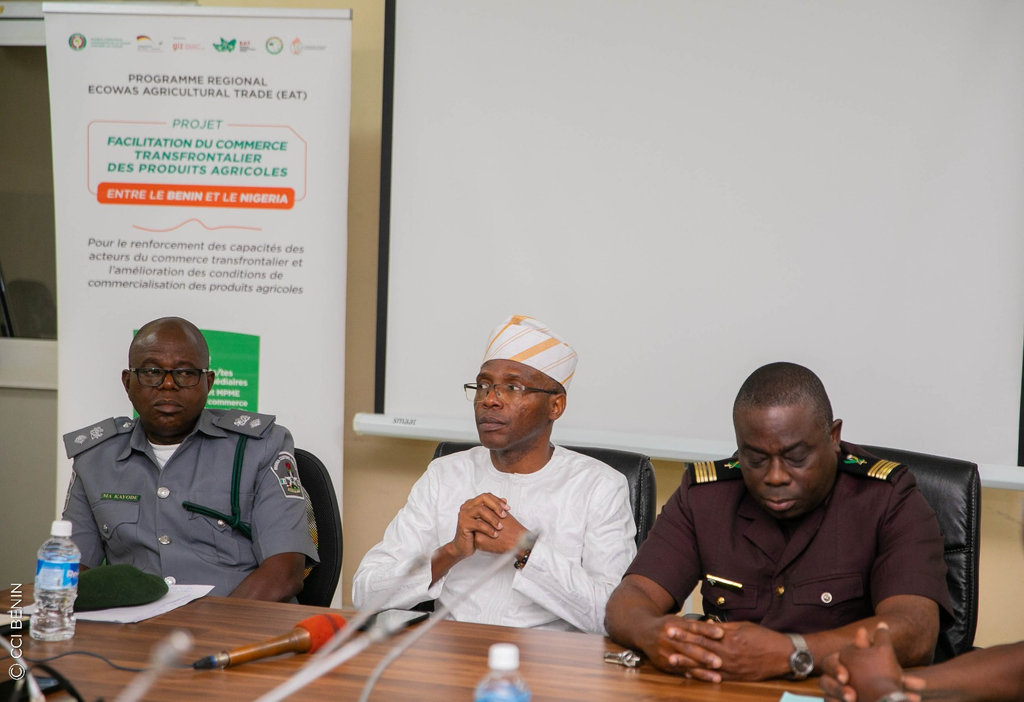
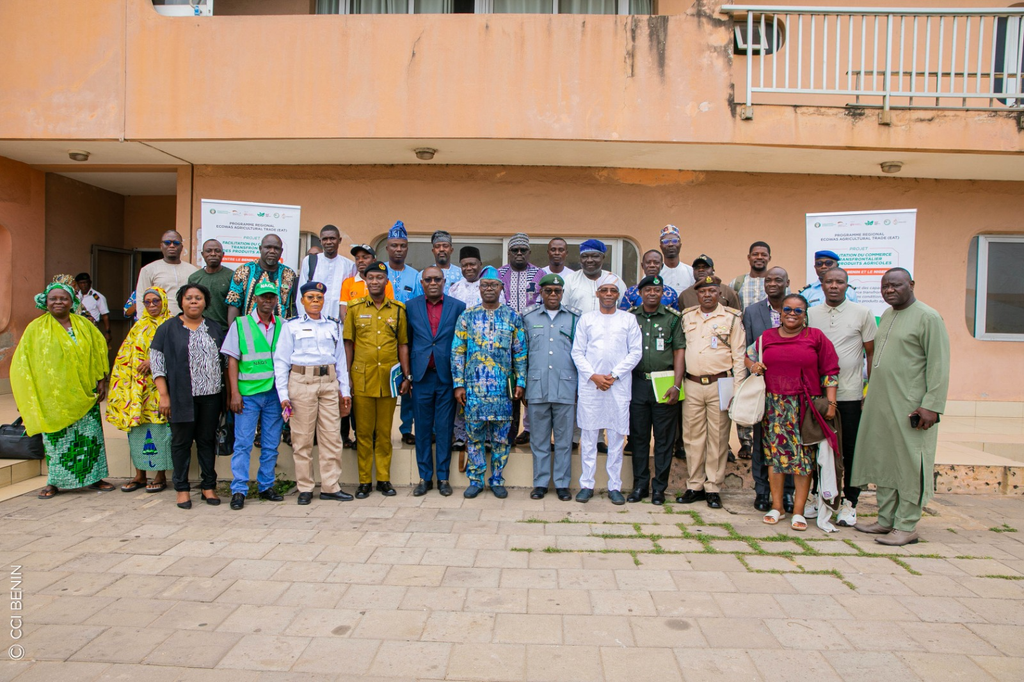
The Benin stake holders’ engagement was held at the Customs Service Conference Hall of Benin Republic at the Benin border. The conversation brought together about 50 cross border traders from Benin and Nigeria while border security and regulation agencies were present among which are customs, Police, Port Health, Immigration, NDLEA, Quarantine, Nigeria Shippers Council, and host of others.
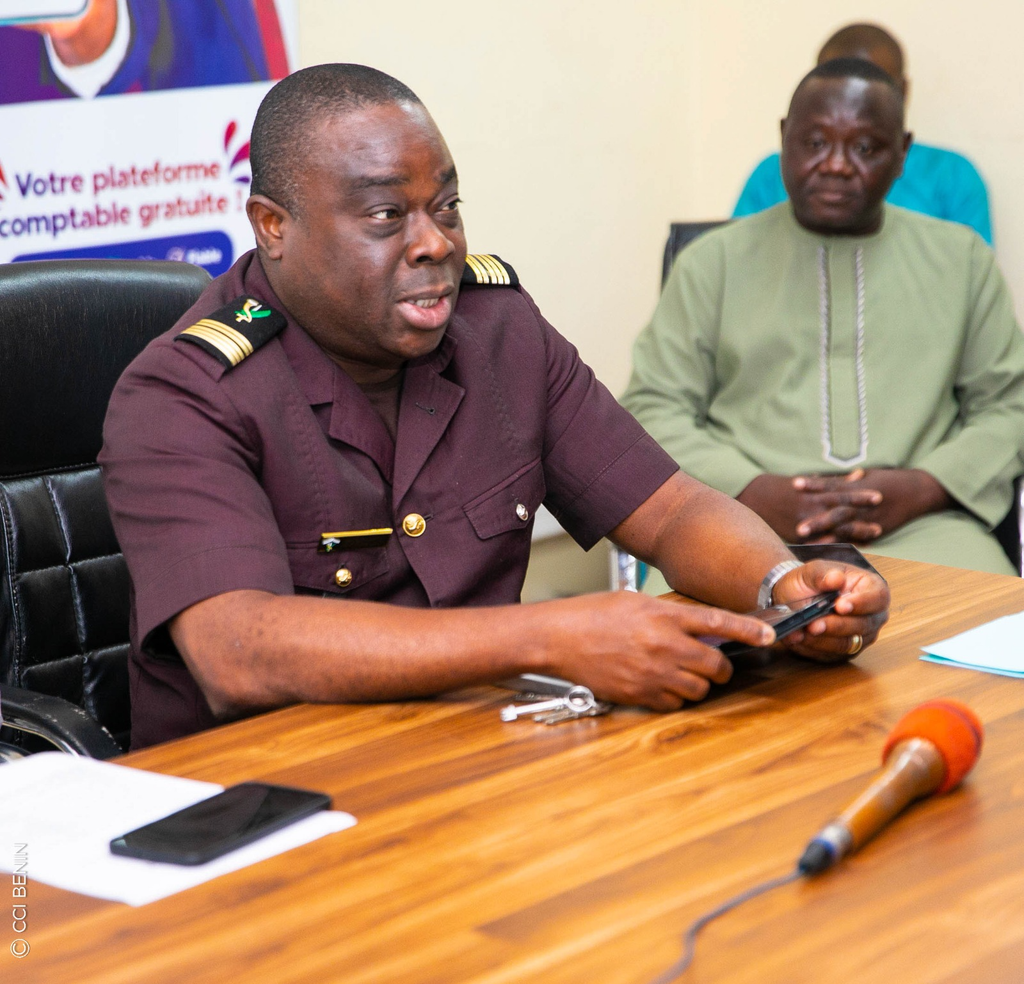
The DGD Customs Benin, Col. Raouf Malehossou Aboudou recover Seme-Krake, MIDJROKAN welcomed all participants and acknowledged the dignitaries present. He explained that the engagement was structured in line with the objectives of ECOWAS regional integration and was intended to deliver benefits to businesses and communities on both sides of the Nigeria-Benin border.
The representative of the Nigeria Customs Service, Chief Superintendent of Customs (CSC) M.A. Kayode, who represented the Controller, Comptroller Abdullahi Kaila, explained that the core responsibilities of the Nigerian Customs Service include revenue generation and trade facilitation. He provided an overview of the ECOWAS Trade Liberalization Scheme (ETLS), noting its role in promoting trade within the ECOWAS region.

He also discussed the movement of perishable agricultural products, explaining the distinction between processed and unprocessed products. Examples of unprocessed agricultural products mentioned included coconut and pineapple. He further explained that certain processed products may require relevant quarantine permits and compliance procedures before they can be moved across the border.
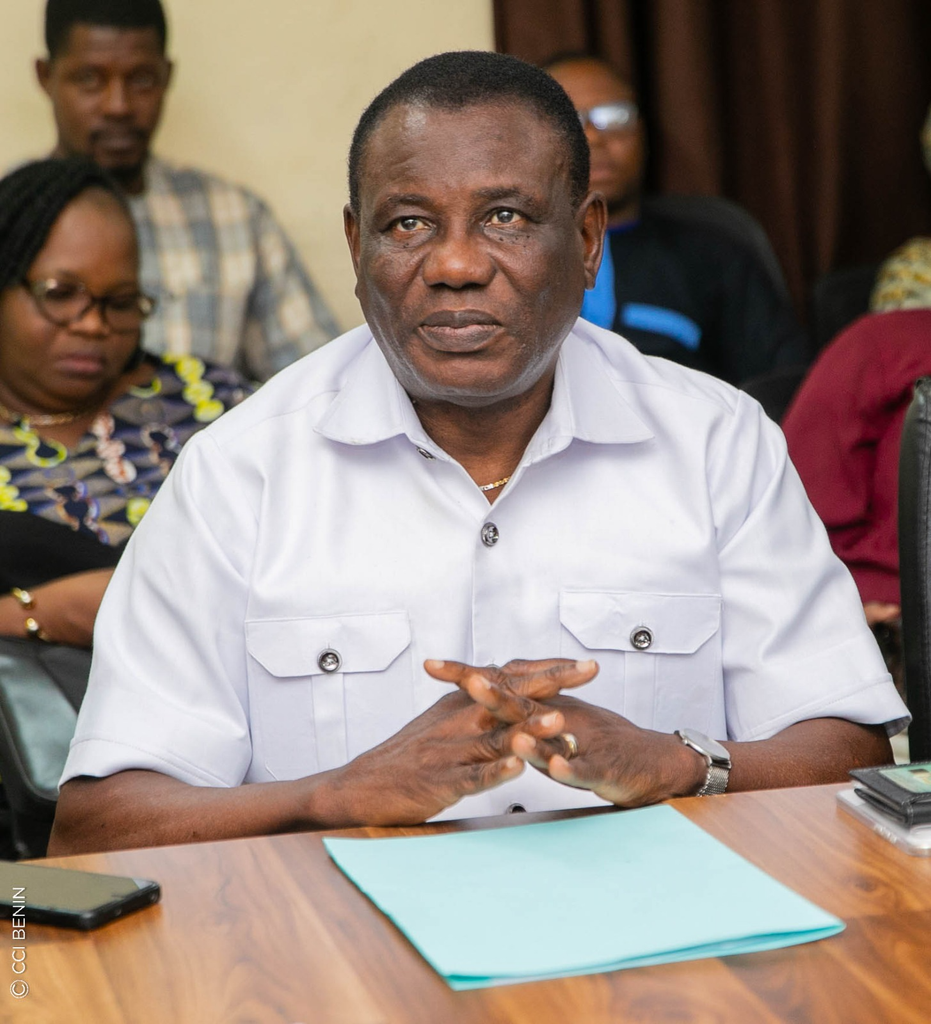
Chief Alfred Delhi Houndeola, Chamber of Commerce and Industry Port Novo, Benin Republic acknowledged the dignitaries and participants and emphasized the need for stronger institutional cooperation between the Benin Chamber and BACCIMA. He proposed the establishment of a joint committee between both Chambers to encourage cross-border trade, particularly in agriculture and related businesses.
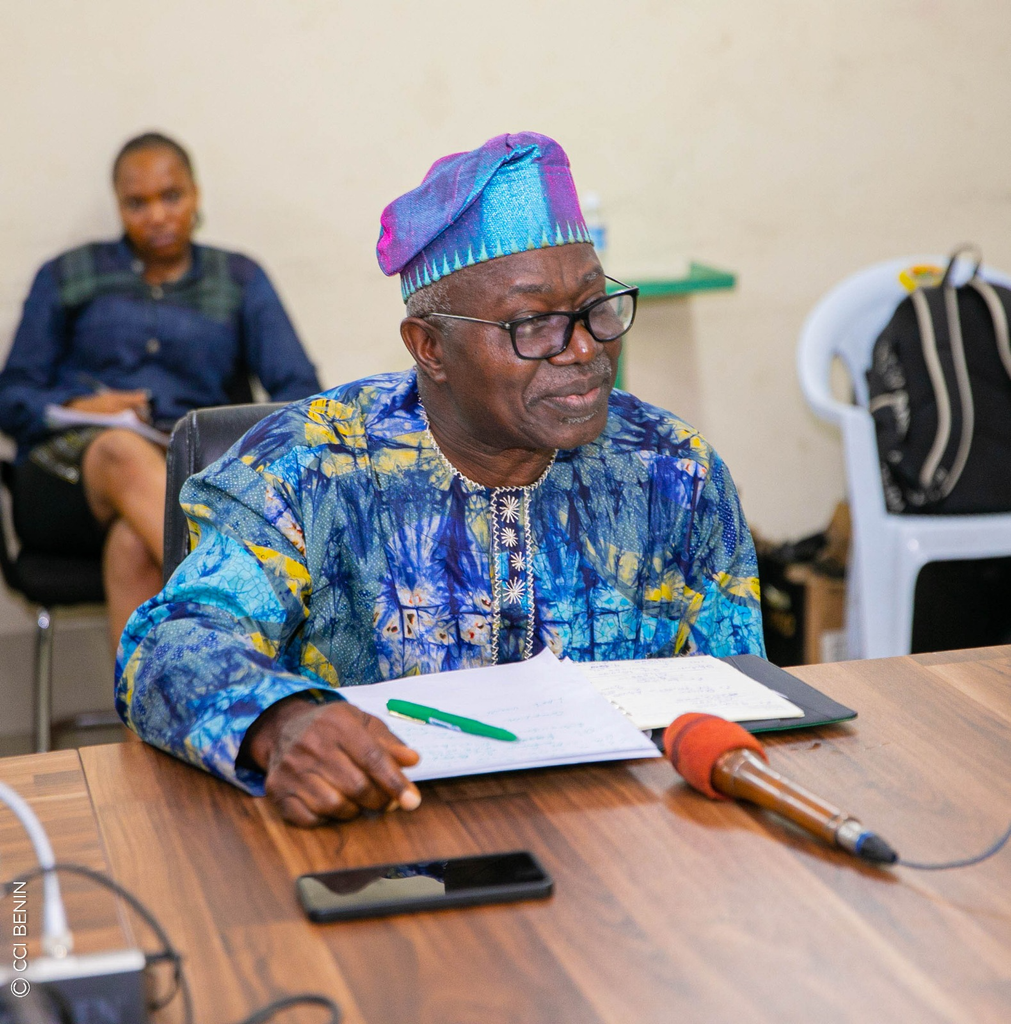
The President of BACCIMA, Alhaji Yahaya Oladiran Idris reflected on the historical division of African territories and economies in 1884 to 85 in Berlin, Germany during the colonial period and stressed the need for African Countries to reintegrate the economies, strengthen economic cooperation and rebuild stronger regional connections.
He stated that BACCIMA has continued to work with the Chamber of Commerce and Industry in Benin Republic because of the importance of ECOWAS integration and the opportunities provided by the ECOWAS Trade Liberalization Scheme. He also emphasized the need to educate traders on their obligations, procedures and responsibilities under existing trade agreements and regulations so that they can benefit from legitimate cross-border trade.
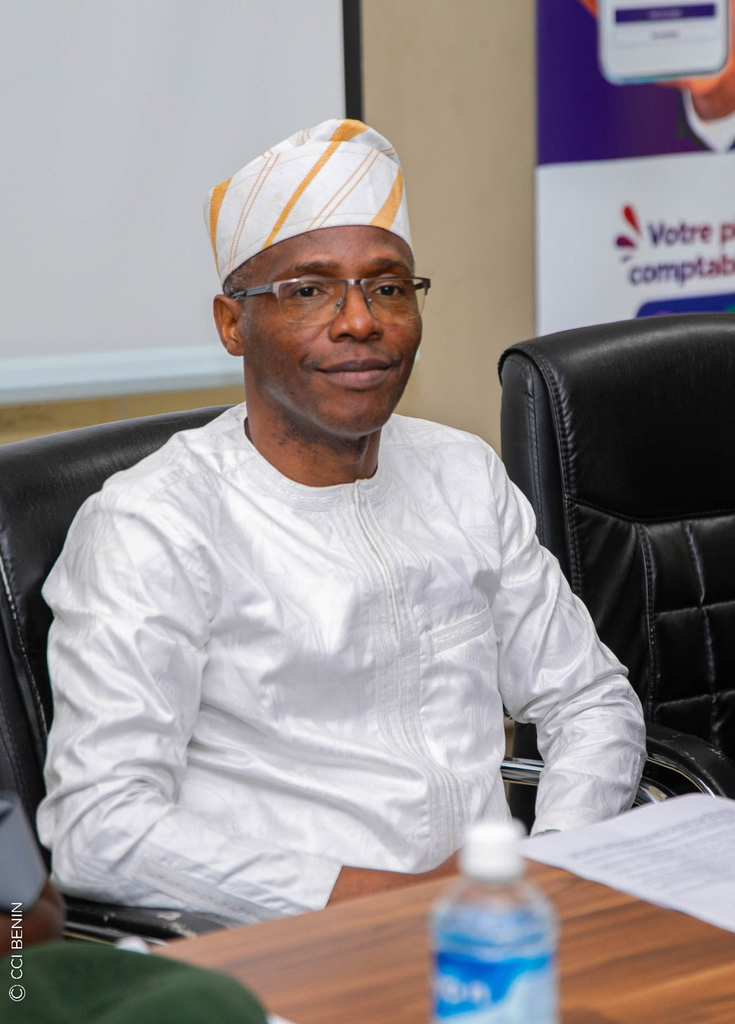
The Director-General of FEWACCI, Amb. Akadiri Aminou, appreciated all the dignitaries and participants and emphasized the importance of cross-border trade to thousands of traders and businesses, noting its contribution to employment and economic opportunities. He stressed the need to simplify and formalize trade processes, ensure transparency, and enable traders to move their products across borders without unnecessary delays.
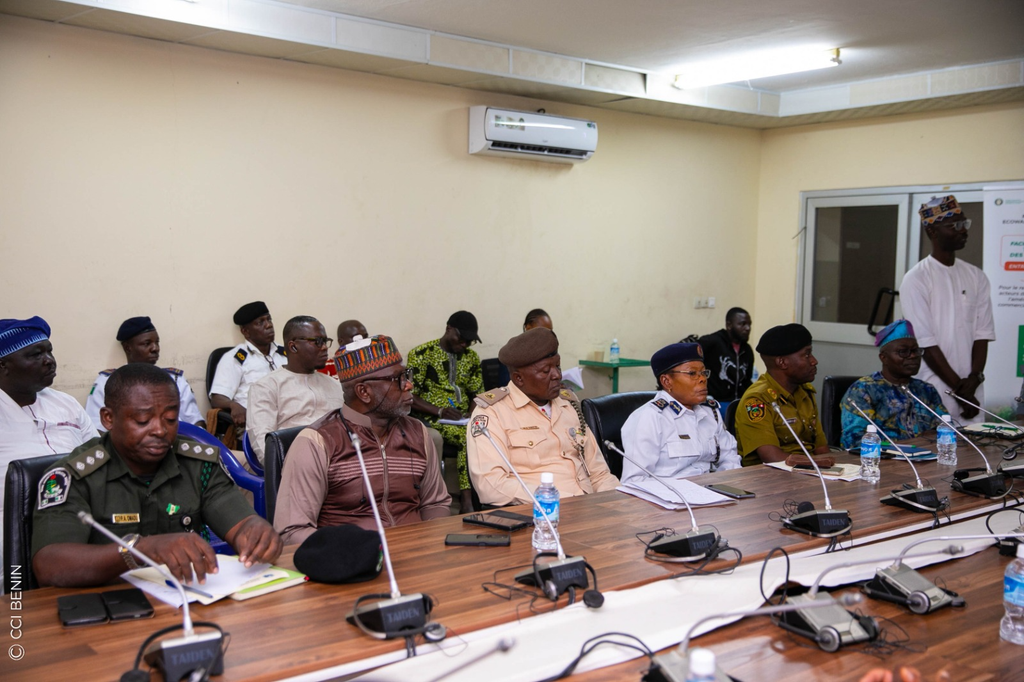
The agencies present presented educative information to the participants one after the other in line with the goal of the engagement.
KEY OBJECTIVES OF THE FOLLOW-UP COMMITTEE
The engagement highlighted the need for a follow-up mechanism or committee to sustain the discussions and address emerging challenges. The identified areas included:
- Promoting transparency in the movement of goods.
- Identifying barriers to cross-border trade and developing practical solutions.
- Facilitating the movement of merchandise between both countries.
- Strengthening cooperation between relevant border agencies.
- Improving information available to traders regarding trade requirements and procedures.
- Promoting regional economic integration and legitimate cross-border trade.
CONCLUSION
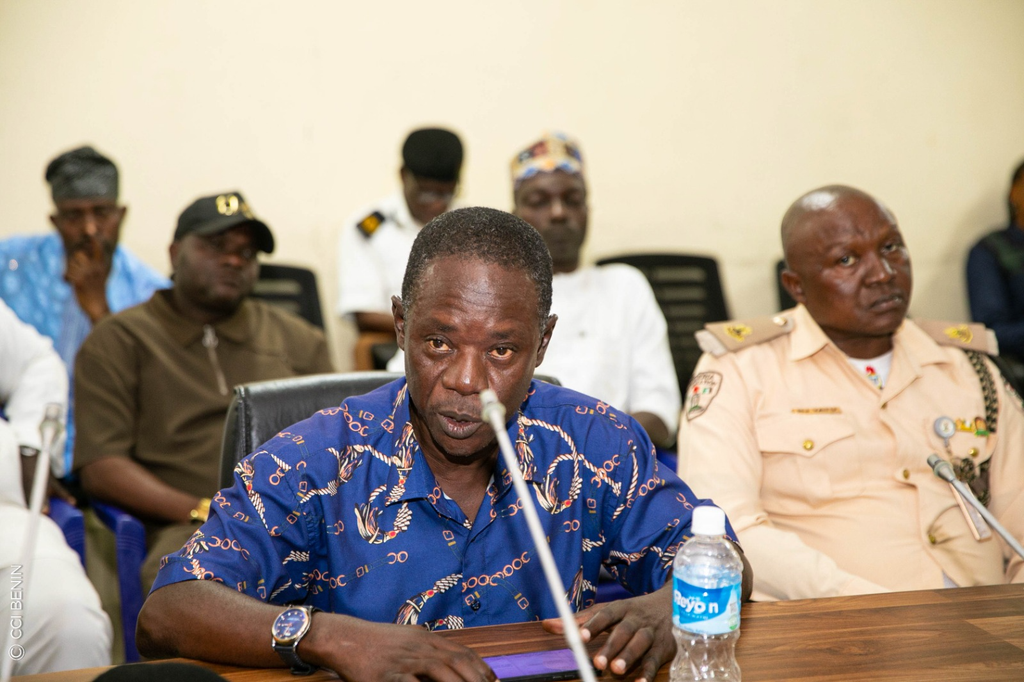
The engagement provided an important platform for BACCIMA, the Benin Chamber of Commerce and Industry, government agencies, border authorities and cross-border traders to interact directly and discuss practical challenges affecting trade between Nigeria and Benin Republic.
The discussions underscored the importance of stronger institutional collaboration, transparency, proper documentation, compliance with regulatory requirements and sustained engagement between stakeholders.
The proposed follow-up mechanism is expected to help maintain communication between both countries, identify outstanding barriers and work towards practical solutions that will facilitate legitimate cross-border trade and strengthen ECOWAS regional economic integration.
What a wonderful outcome! Well done to you all.