
The Badagry Chamber of Commerce, Industry, Mines and Agriculture (BACCIMA) has joined the Nigerian Association of Chambers of Commerce, Industry, Mines and Agriculture (NACCIMA), the Nigerian Export Promotion Council (NEPC), the Nigeria Customs Service and other key stakeholders in a strategic engagement aimed at strengthening Nigeria’s export ecosystem, improving cross-border trade and addressing the challenges confronting businesses along the Nigeria–West Africa trade corridor.
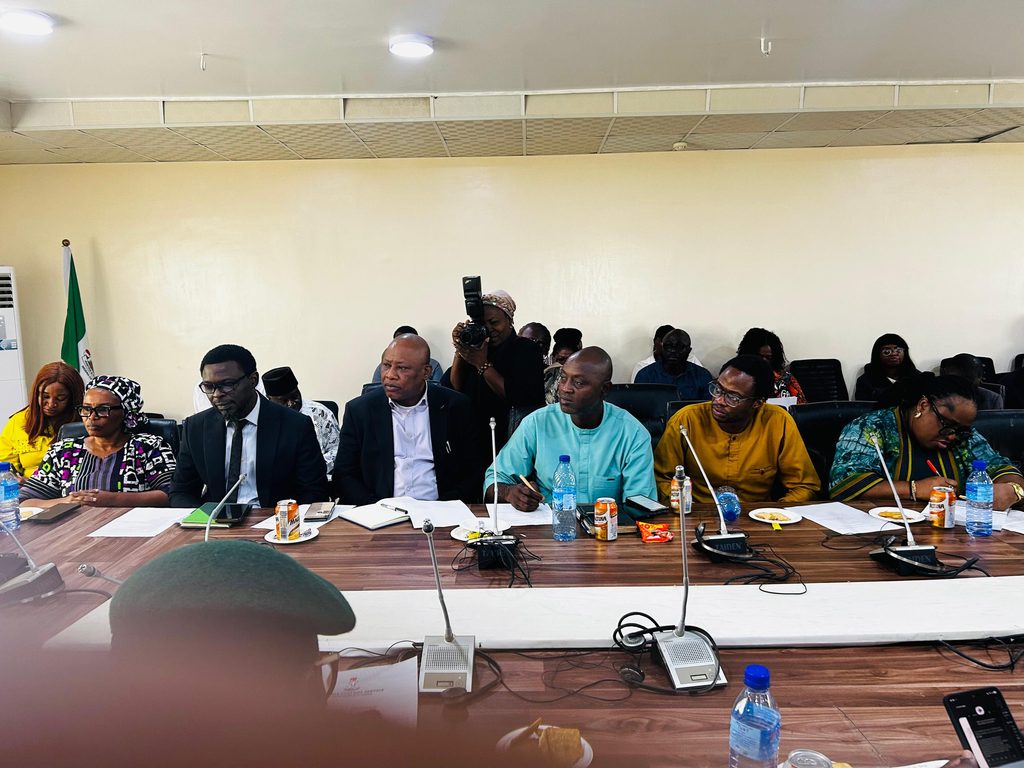
The stakeholders’ meeting, held on Thursday, August 27, 2026, at the Conference Hall of the Nigeria Customs Service, Seme Area Command, was organised by the NEPC South-West Regional Office in collaboration with the Lagos State Committee on Export Promotion (SCEP).
The engagement brought together representatives of government agencies, organised private-sector groups, exporters and other stakeholders to deliberate on practical measures for facilitating exports, improving border processes and positioning Nigerian businesses—particularly Micro, Small and Medium Enterprises (MSMEs)—to take greater advantage of regional and international trade opportunities.

Representing BACCIMA President, Alhaji Yahaya O. Idris, was a delegation comprising the Director-General, Engr. Seton M. Senu, Executive Council Members Mr. Eugene Ihezuonu and Mr. Abiola Hamid, and the Administrative Officer, Mr. Olawale C. Shittu. The delegation joined representatives of NACCIMA in representing the organised private sector at the strategic engagement.
Stakeholders Seek More Responsive Export Support for MSMEs
A major issue that emerged from the engagement was the need to establish more responsive mechanisms for resolving the challenges faced by exporters, particularly MSMEs.
Speaking during the meeting, Barr. Kola Awe, Chairman of the NACCIMA Export Group, stressed the need for a designated window through which MSMEs can channel their complaints and obtain timely assistance in resolving export-related challenges.
According to the NACCIMA Export Group Chairman, improved access to support and responsive intervention mechanisms would encourage more small and medium-sized businesses to participate actively in formal export trade.
His intervention underscored one of the central concerns of the meeting: that while Nigeria possesses significant opportunities within the African market, many smaller businesses continue to face practical difficulties navigating export procedures and accessing the institutions established to support them.
The call for a dedicated complaint and intervention channel therefore represents an important step towards building greater confidence among MSMEs and ensuring that challenges encountered at the point of export do not unnecessarily prevent businesses from accessing regional markets.
NEPC Highlights the Strategic Importance of the Seme Corridor
The meeting also provided an opportunity for the Nigerian Export Promotion Council to reinforce the importance of the Seme corridor to Nigeria’s export ambitions.
The NEPC delegation was led by Arc. Benedict N. Itegbe, Deputy Director and Regional Coordinator, South-West, while the Nigeria Customs Service, Seme Area Command, was represented by Mr. C.C. Adeyemo, Deputy Controller General, Revenue.
The engagement centred on practical measures for addressing challenges confronting exporters and strengthening the implementation of the One-Stop Border Post (OSBP) mechanism.
The discussions reflected the strategic position of Seme as a major gateway for Nigeria’s commercial interaction with the West African market. Stakeholders recognised that a more efficient and coordinated border environment would be critical to reducing barriers to legitimate trade and enabling Nigerian businesses to compete more effectively within the region.
For BACCIMA, whose jurisdiction sits directly within the strategic Seme–Badagry trade corridor, the issues discussed carry particular significance. Improved border efficiency has direct implications for local businesses, exporters, logistics operators, manufacturers, traders and other enterprises whose activities depend on the movement of goods and services across the corridor.
NACCIMA Pushes for Greater Private-Sector Participation
Representing NACCIMA at the meeting alongside Barr. Kola Awe was Dr. Praise Abina, Senior Research Manager at the NACCIMA Secretariat, who participated in the engagement as part of the Association’s delegation.
The participation of NACCIMA further reinforced the organised private sector’s role in ensuring that the realities faced by businesses are reflected in discussions around trade facilitation, export policy and border administration.
The engagement provided an avenue for the private sector to interact directly with border authorities and export-promotion institutions, creating room for practical concerns from businesses to be brought closer to the agencies responsible for addressing them.
This direct engagement is particularly important for MSMEs, which often require clearer information, simpler procedures and faster institutional responses to successfully participate in formal export activities.
AfCFTA and the One-Stop Border Post Take Centre Stage
Another major area of discussion was the opportunity presented by the African Continental Free Trade Area (AfCFTA) and the role of the Seme One-Stop Border Post in supporting seamless cross-border commerce.
Stakeholders examined the need to strengthen mechanisms that would enable Nigerian enterprises to benefit from the growing African market, with particular attention to MSMEs, young entrepreneurs and women-led businesses.
The BACCIMA delegation also participated in discussions around the operationalisation of the OSBP model, which is designed to improve coordination between border agencies and facilitate more efficient movement of legitimate goods across the Nigeria–Benin border. (baccima.ng)
The discussion was particularly relevant to BACCIMA because the success of AfCFTA at the grassroots level will depend not only on national trade policies but also on the efficiency of physical trade corridors such as Seme.
Focus on Value Addition and Inclusive Trade
The meeting also featured discussions on the Lagos State Industrial Policy and the NEPC–NACCIMA Inclusive Trade Formalization Project.
A key theme from the presentations was the need for Nigeria to move beyond the export of raw commodities by promoting local processing and value addition.
This approach has the potential to improve the competitiveness of Nigerian products, create additional economic opportunities, strengthen local supply chains and enable businesses to capture greater value from the resources produced within the country.
For businesses within Badagry and the wider Lagos West corridor, this presents an important opportunity to connect local production with regional markets, particularly as AfCFTA continues to open new avenues for intra-African commerce.
Customs Engagement Focuses on Smoother Export Procedures
The interaction with the Nigeria Customs Service was another important component of the meeting.
The Customs Area Controller, Seme Area Command, was represented by Mr. C.C. Adeyemo, and discussions focused on the need to streamline clearance processes, reduce unnecessary bureaucratic delays and facilitate smoother formal export operations across the border.
The engagement between Customs and private-sector stakeholders provided an opportunity for exporters and organised business representatives to better understand border processes while also bringing business concerns directly to the attention of the relevant authorities.
Such engagements are essential in developing a border environment where compliance, efficiency and trade facilitation can operate together rather than becoming competing objectives.
Broad Stakeholder Participation
The meeting attracted representatives from several institutions within Nigeria’s export and trade ecosystem, including the Nigerian Export-Import Bank (NEXIM), National Agency for Food and Drug Administration and Control (NAFDAC), Manufacturers Association of Nigeria (MAN), National Association of Small and Medium Enterprises (NASSI), raw materials research institutions and members of the exporters’ community.
The diversity of stakeholders reflected the interconnected nature of Nigeria’s export system and the need for coordinated action among government agencies, border authorities, financial institutions, organised business groups and exporters.
The collective position emerging from the engagement was clear: strengthening Nigeria’s participation in intra-African trade requires continuous dialogue, better coordination and practical solutions to the challenges businesses encounter throughout the export process.
Event Gallery
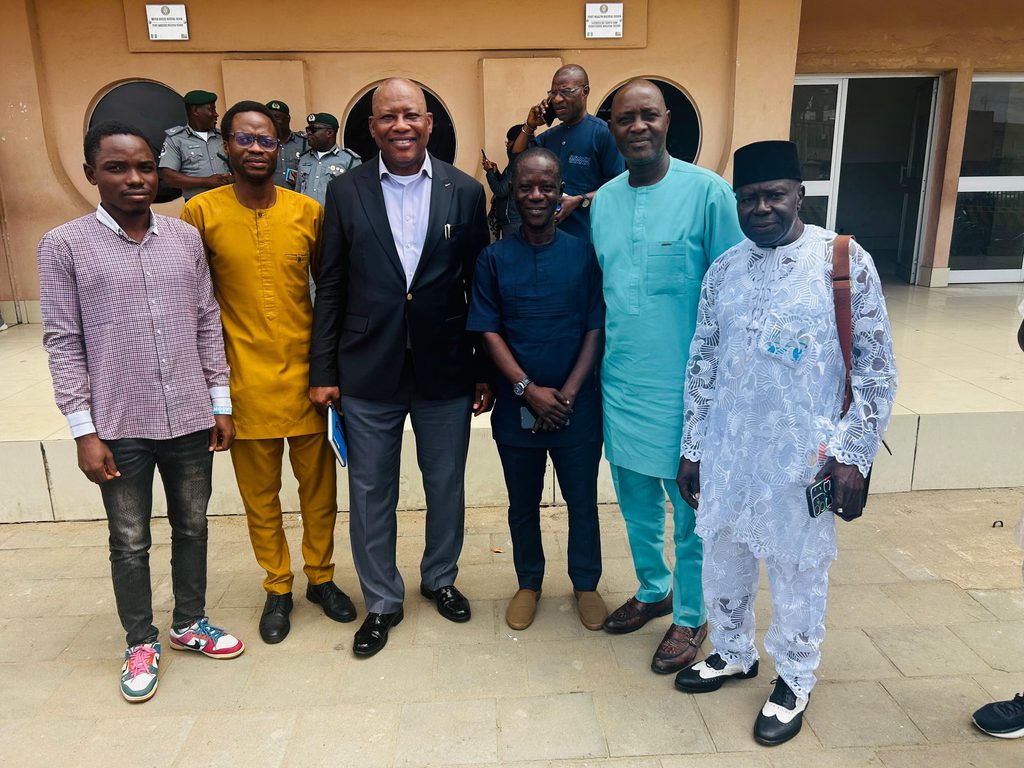
BACCIMA Delegates — Engr. Senu M. Seton (Director General), Mr. Eugene Ihezuonu (Executive Council Member), Mr. Abiola Hamid (Member), and the Administrative Officer, Mr. Olawale C. Shittu — alongside NACCIMA delegates, Barr. Kola Awe (Chairman of the NACCIMA Export Group) and Dr. Praise Abina, (NACCIMA Senior Research Manager) during the stakeholders’ engagement at Seme Border.