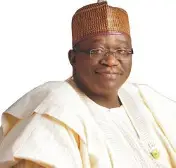
The NACCIMA National President, Engr. Dr Jani Ibrahim, OON, mni has reaffirmed NACCIMA commitment to promoting regional trade, strengthening Nigerian businesses and expanding economic opportunities across the Economic Community of West African States (ECOWAS) region.
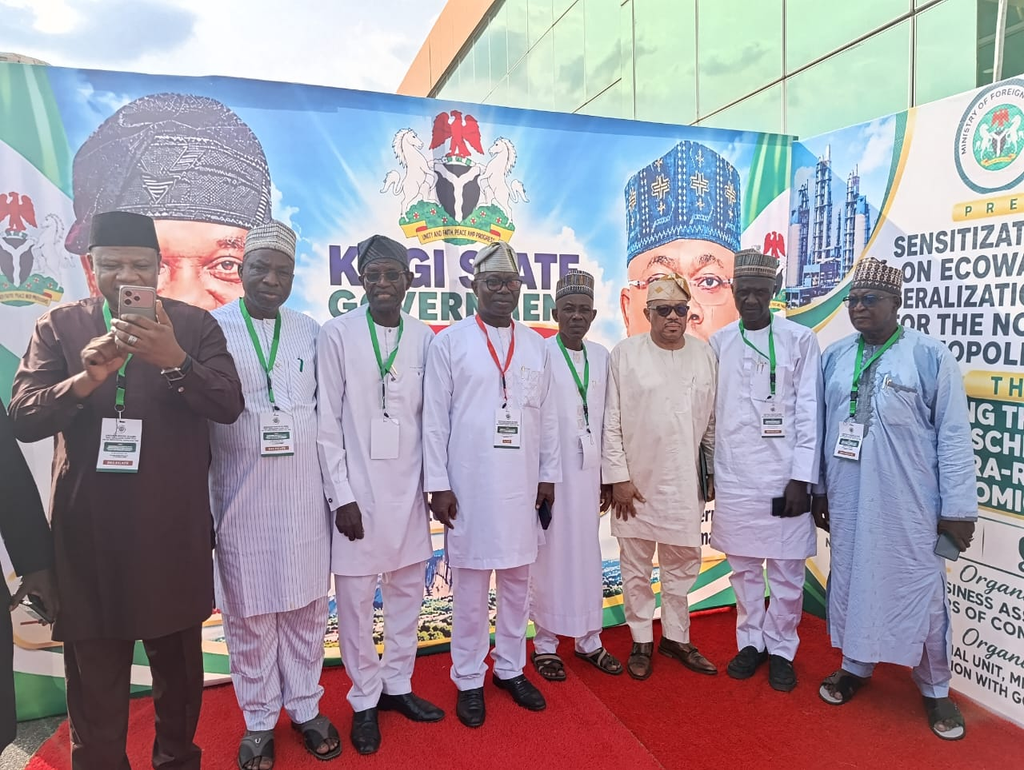
He made the remarks at the ECOWAS Trade Liberalisation Scheme (ETLS) Awareness Workshop for the North-Central Geopolitical Zone, held on Monday, November 2, 2026, at the Government House, Lokoja, Kogi State.
The National President of NACCIMA, Engr. Jani Ibrahim, mni, OON, was represented at the workshop by Alhaji Yahaya Oladiran Idris, National Vice President, NACCIMA, on International Development, who also presented a paper on “Regulatory Agencies on ETLS.”
The workshop was organised by the Ministry of Foreign Affairs, through the ECOWAS National Unit of the Ministry in collaboration with the ECOWAS Commission, and the Kogi State Government.
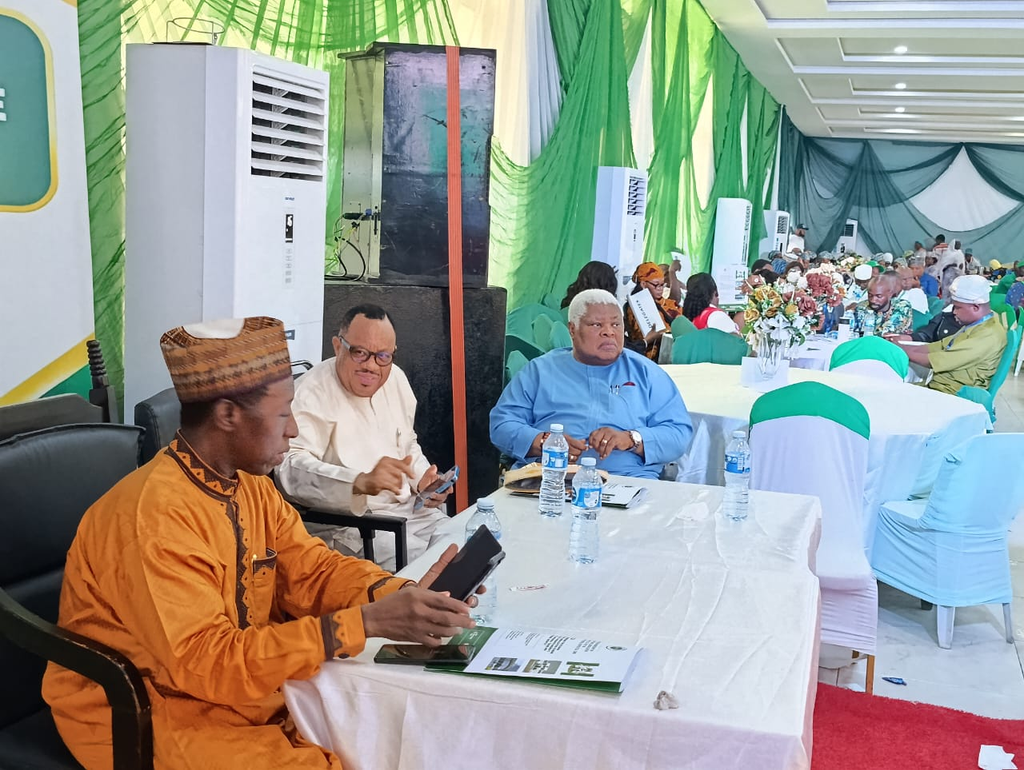
The workshop brought together government representatives, business leaders, manufacturers, entrepreneurs, farmers, exporters and other stakeholders to deepen awareness of the ETLS and explore opportunities for Nigerian businesses to access the wider West African market.
The NACCIMA President emphasised that the North-Central region possesses considerable economic potential through its agricultural resources, growing manufacturing base, expanding small and medium-sized enterprises (SMEs) and strategic geographical connectivity. He noted that these advantages position businesses in the region to participate more actively in the wider West African market.
He further stressed that the success of the ETLS should not be measured merely by the existence of regional trade agreements, but by the extent to which businesses, particularly farmers, manufacturers, SMEs and exporters, can practically access the opportunities created by the scheme.
He also highlighted the need to address challenges confronting businesses, including non-tariff barriers, cumbersome certification procedures, inadequate trade information and multiple transit requirements, which often increase the cost and time involved in cross-border transactions.
Reaffirming NACCIMA’s commitment, Engr Jani outlined the Association’s determination to mobilise member Chambers and business communities, promote export capacity development, facilitate engagement with relevant regulatory institutions, advocate the removal of trade barriers and strengthen public-private sector collaboration to improve the competitiveness of Nigerian businesses within the ECOWAS market.
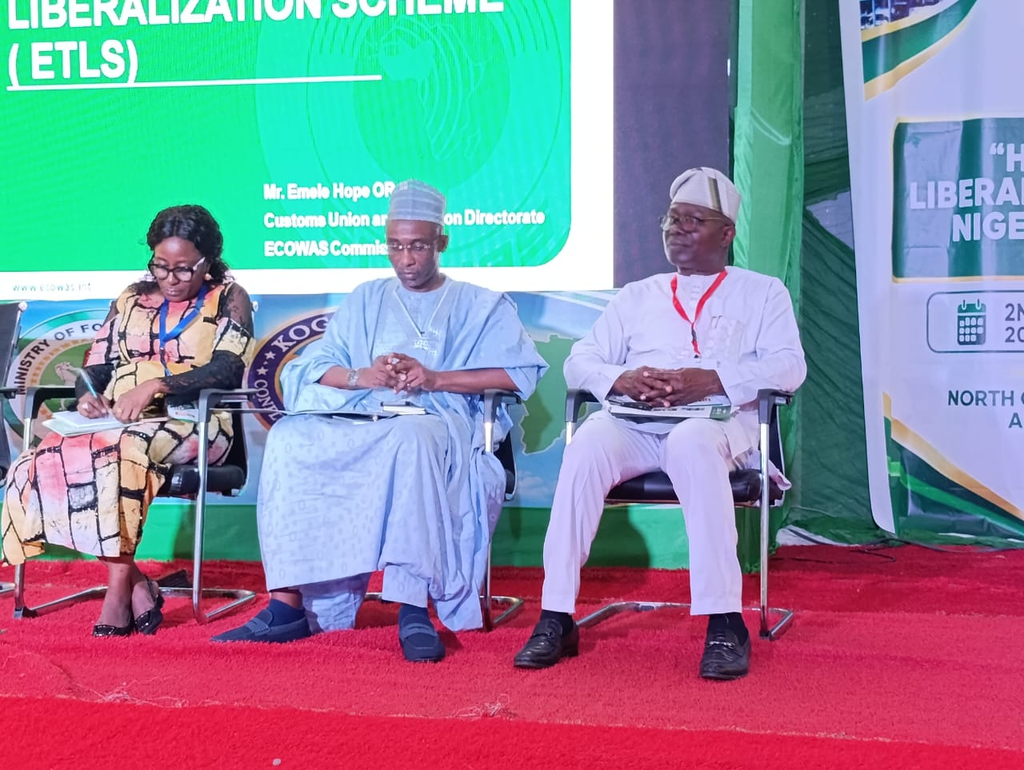
NACCIMA Presentation on Regulatory Agencies and ETLS
A significant technical contribution to the workshop was the presentation by Alhaji Yahaya Oladiran Idris on Regulatory Agencies on ECOWAS Trade Libralization Scheme (ETLS)
The presentation addressed the importance of Government regulatory institutions such as National Approval Committee in Foreign Affairs Ministry, FMITI, FMF, ECOWAS National Unit, Nigeria Customs Service, NAFDAC, NEPC, SON, NPQS, and Private Sector institutions such as NACCIMA, MAN and host of others in facilitating regional trade and the need for businesses to understand the relevant regulatory frameworks like product certification, procedures, compliance requirements and institutional processes associated with accessing preferential markets under the scheme.
The session reinforced the importance of regulatory awareness among manufacturers, exporters and SMEs seeking to expand their operations beyond Nigeria’s domestic market.
Alhaji Yahaya posited that to achieve ease of doing business goals, both the Importer and the Exporter must be honest in their declarations and compliance with the regulatory agencies requirements.
All the regulatory agencies requirements such as NEPC Exporter Certificate, SON-MANCAP, NAFDAC products permit, NAFDAC import permit, ETLS Certificate of Origin, Certificate of analysis, NXP, Profomal/ Commercial, Sanitary and Phytosanitary(SPS) Certificate, Proformal/ Commercial invoice, Certificate of Origin and host of other ETLS supporting documents to enjoy preferential treatments were highlighted during his presentation
Kogi State Government Unveils Regional Trade and Investment Ambitions
In his welcome address, the Governor of Kogi State, His Excellency, Alhaji Ahmed Usman Ododo, represented by his Deputy, His Excellency, Comrade Joel Salifu, declared the state’s readiness to emerge as a major centre for international trade, industrial production, agricultural processing and commercial exchange in West Africa.
The Governor highlighted Kogi State’s strategic geographical position at the confluence of Rivers Niger and Benue, its agricultural resources, solid mineral deposits and road networks connecting major economic centres as important advantages for attracting investment and facilitating regional commerce.
He disclosed that the state’s proposed Ajaokuta Free Trade Zone, Agro-Processing Zone and Kogi International Airport were strategic initiatives under its long-term development vision, aimed at attracting investors, expanding production capacity and connecting local businesses to international markets.
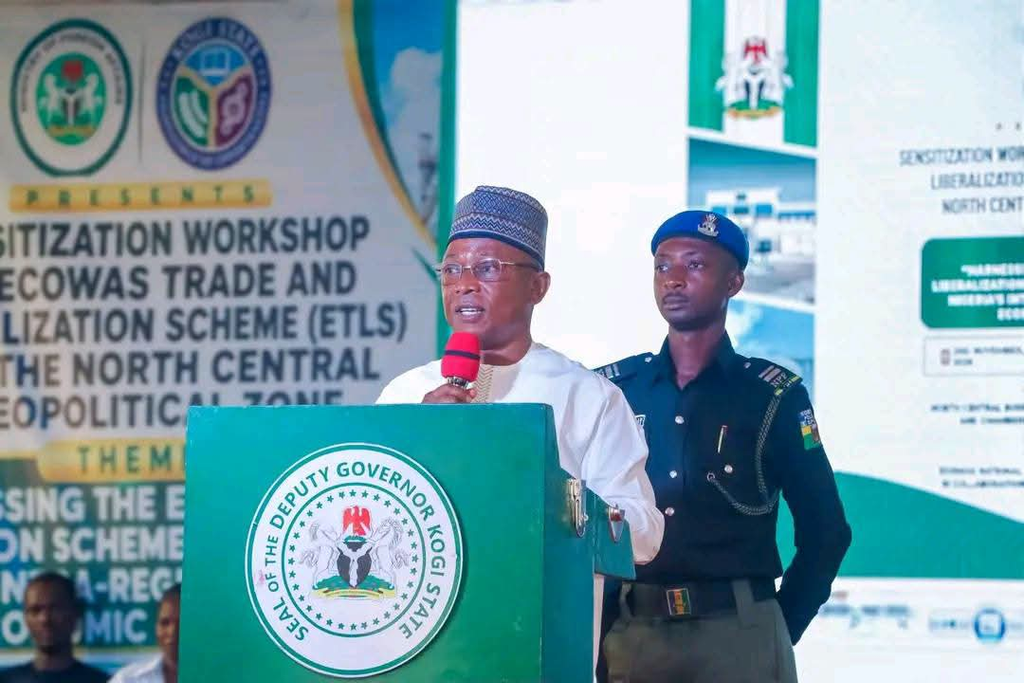
He also encouraged farmers, manufacturers, miners, processors and entrepreneurs to look beyond the Nigerian domestic market and prepare their products for customers across West Africa,
The Governor reaffirmed his administration’s commitment to supporting investment promotion, infrastructure development and enterprise growth while complementing the Federal Government’s economic initiatives.
Federal Government Highlights Nigeria’s ETLS Participation
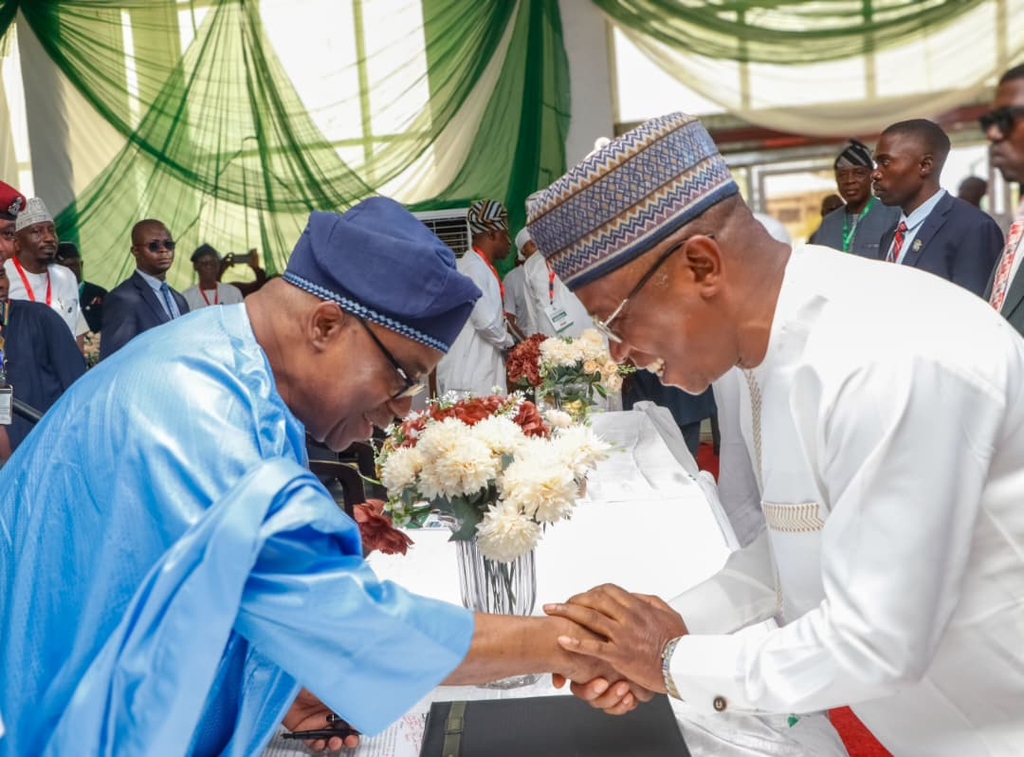
Earlier, the Minister of State for Foreign Affairs, Ambassador Sola Enikanolaiye, described the ECOWAS Trade Liberalisation Scheme as an important instrument for regional economic integration, providing qualifying products originating from member states with preferential access to regional markets.
He disclosed that Nigeria had registered approximately 3,500 companies and 20,000 products under the scheme, noting that these figures remained below the country’s potential when compared with the performance of some other ECOWAS member states.
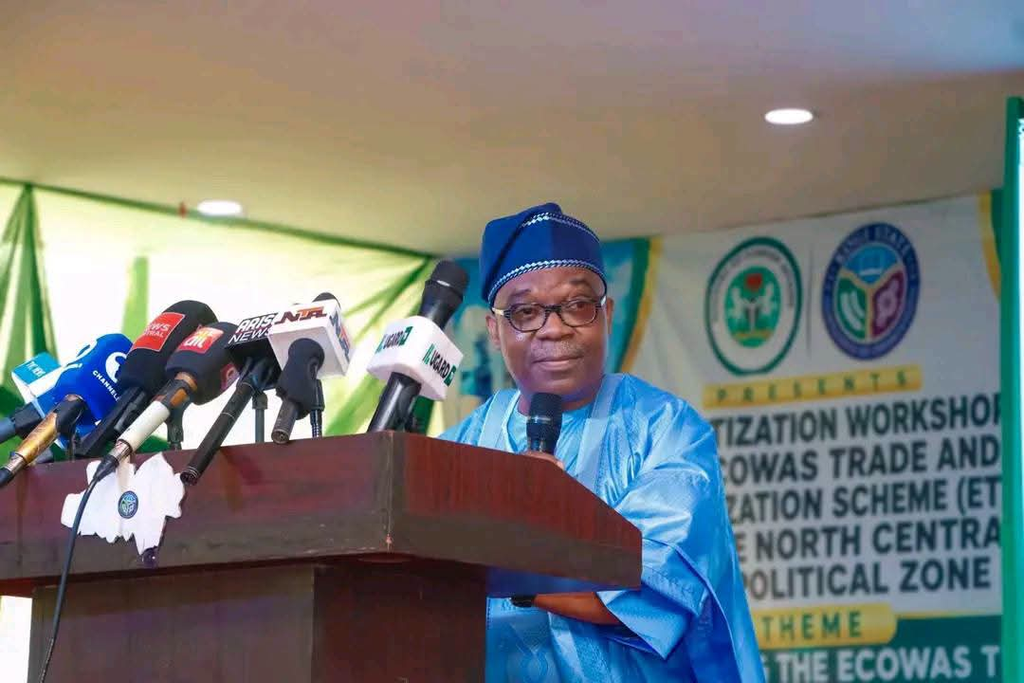
The Minister identified the agricultural potential of Kogi State and other North-Central states, particularly livestock, mangoes, millet, maize, sugar, groundnuts and cashew, as opportunities for developing competitive value-added products for export.
He urged participants to take advantage of the workshop to understand the processes involved in product registration, rules of origin, certification and other requirements for accessing regional markets.
He posited that increased trade among African countries would strengthen economic cooperation, foster stronger relationships and contribute to peace and security across the continent.
In her remarks, the Secretary to the Kogi State Government, Dr. Folashade Arike Ayoade, reaffirmed the state government’s readiness to embrace international trade and participate actively in regional and global markets.
She highlighted the importance of the proposed international airport and the ongoing Lokoja International Market project in facilitating the movement of goods and connecting businesses to wider commercial opportunities.
She also appealed to the Federal Government to support the completion of critical infrastructure projects that would strengthen the state’s commercial capacity, while reaffirming the state government’s commitment to providing a secure environment for businesses Android investors